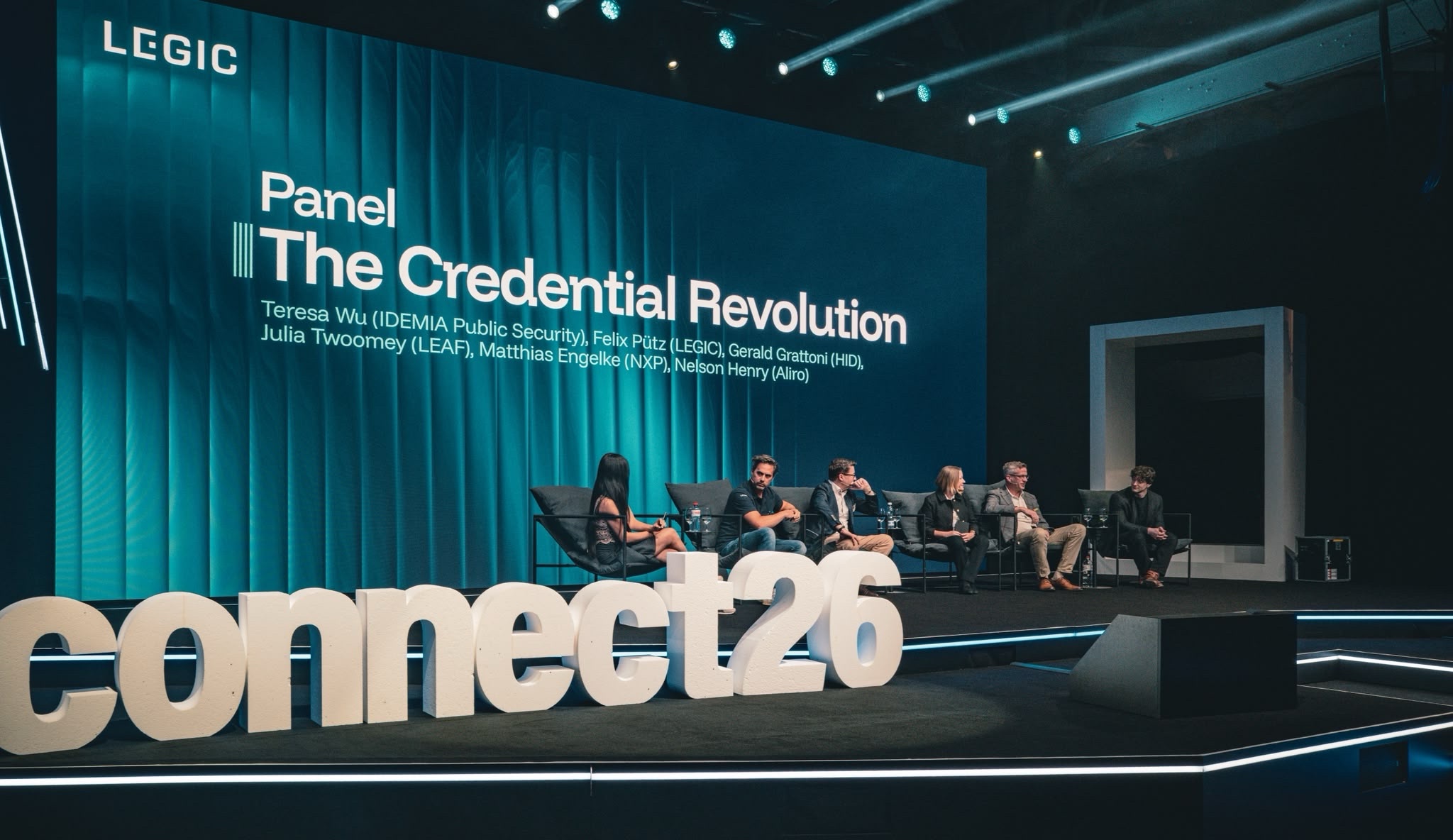
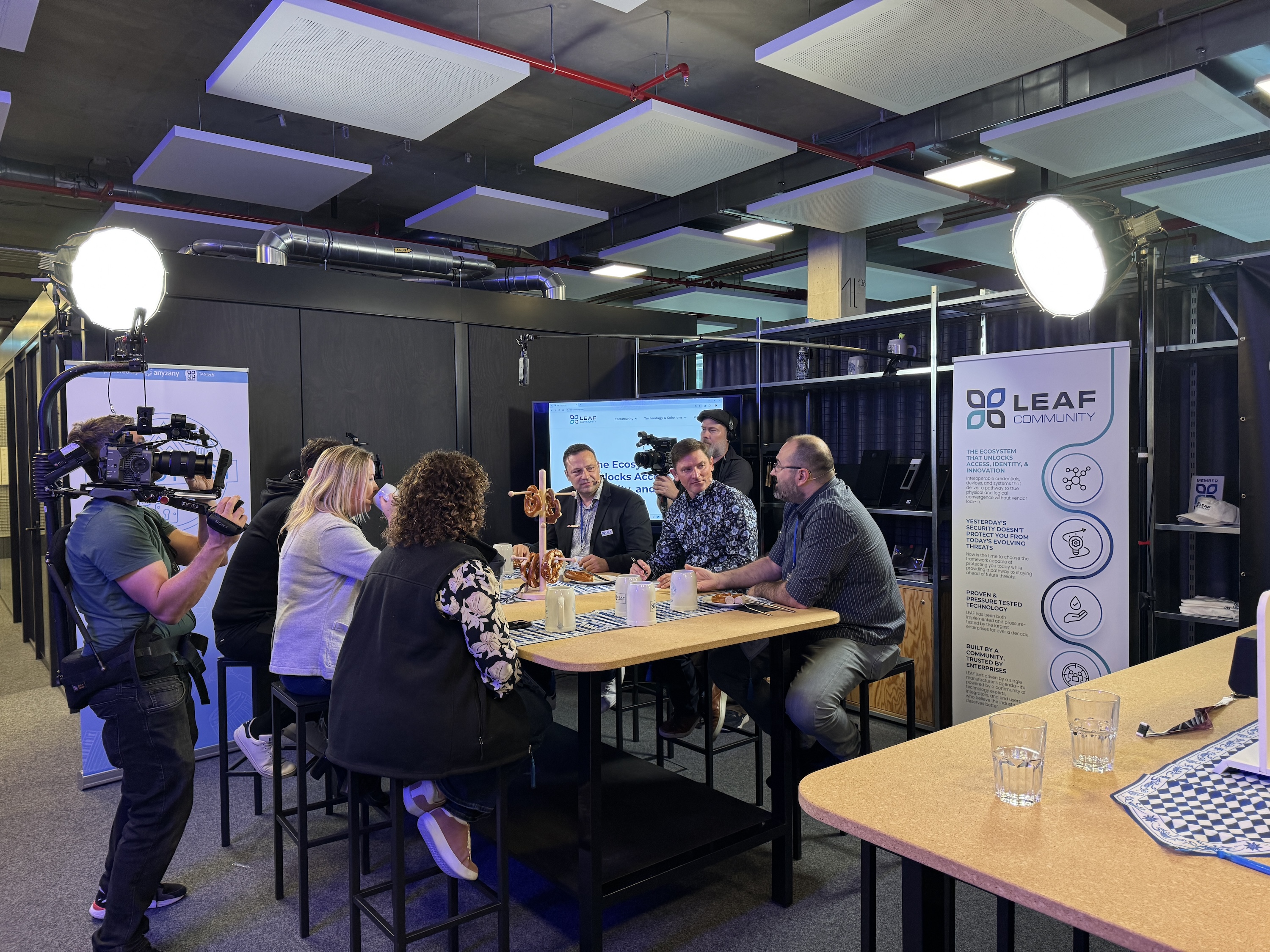
That was the theme of “The Credential Revolution,” a panel I moderated at LEGIC
connect26 in Zurich last month. The panel brought together credential providers,
semiconductor manufacturers, connectivity standards experts, and the LEAF
Community. We skipped easy agreement and focused on where friction remains.
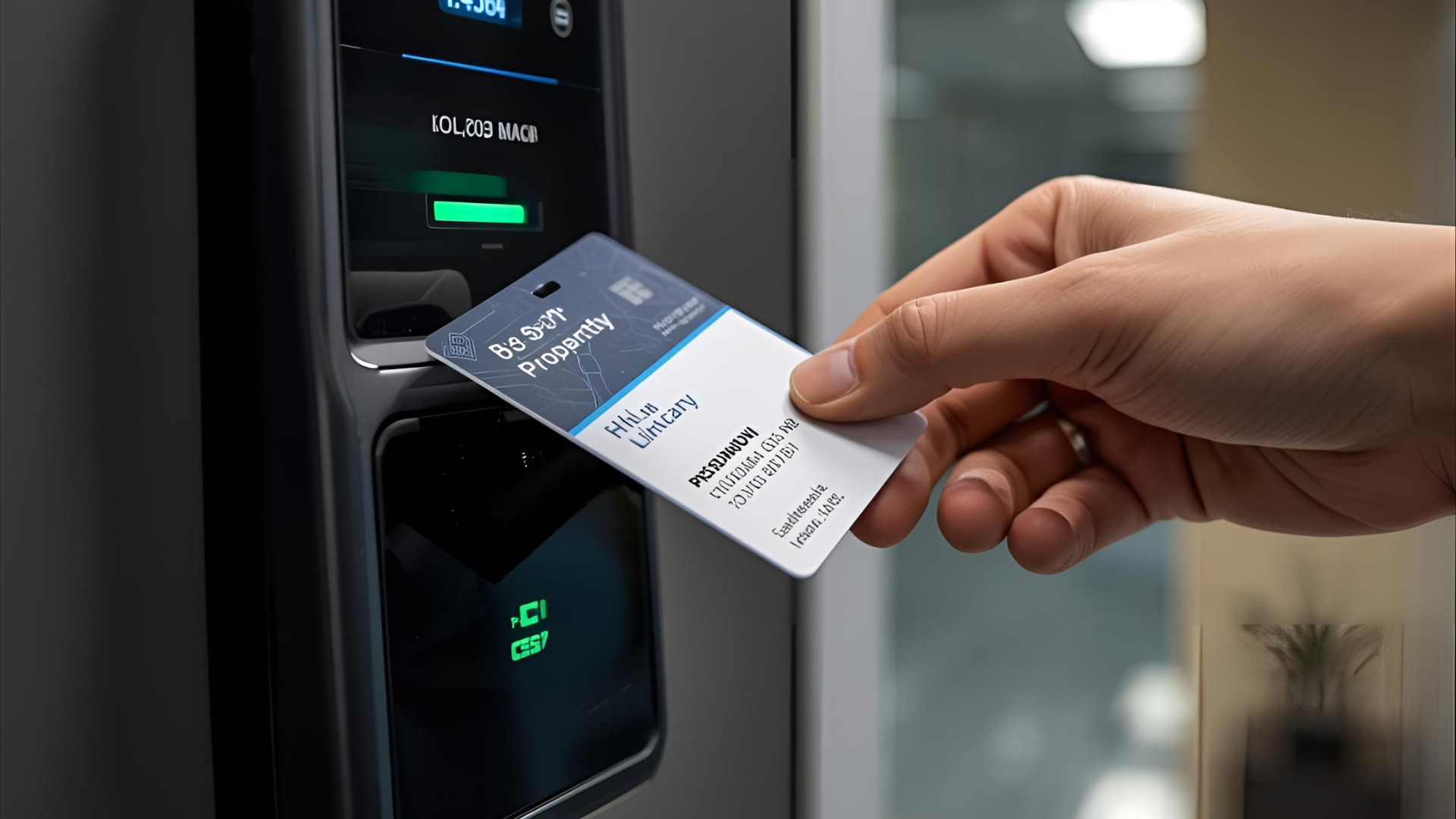
To the person at the door, access should be secure and largely invisible.
People don't need to understand protocols, key management, or reader hardware. They want reliable access to the places they're authorized to use. The user gets the convenience,
and the infrastructure underneath supplies the trust.
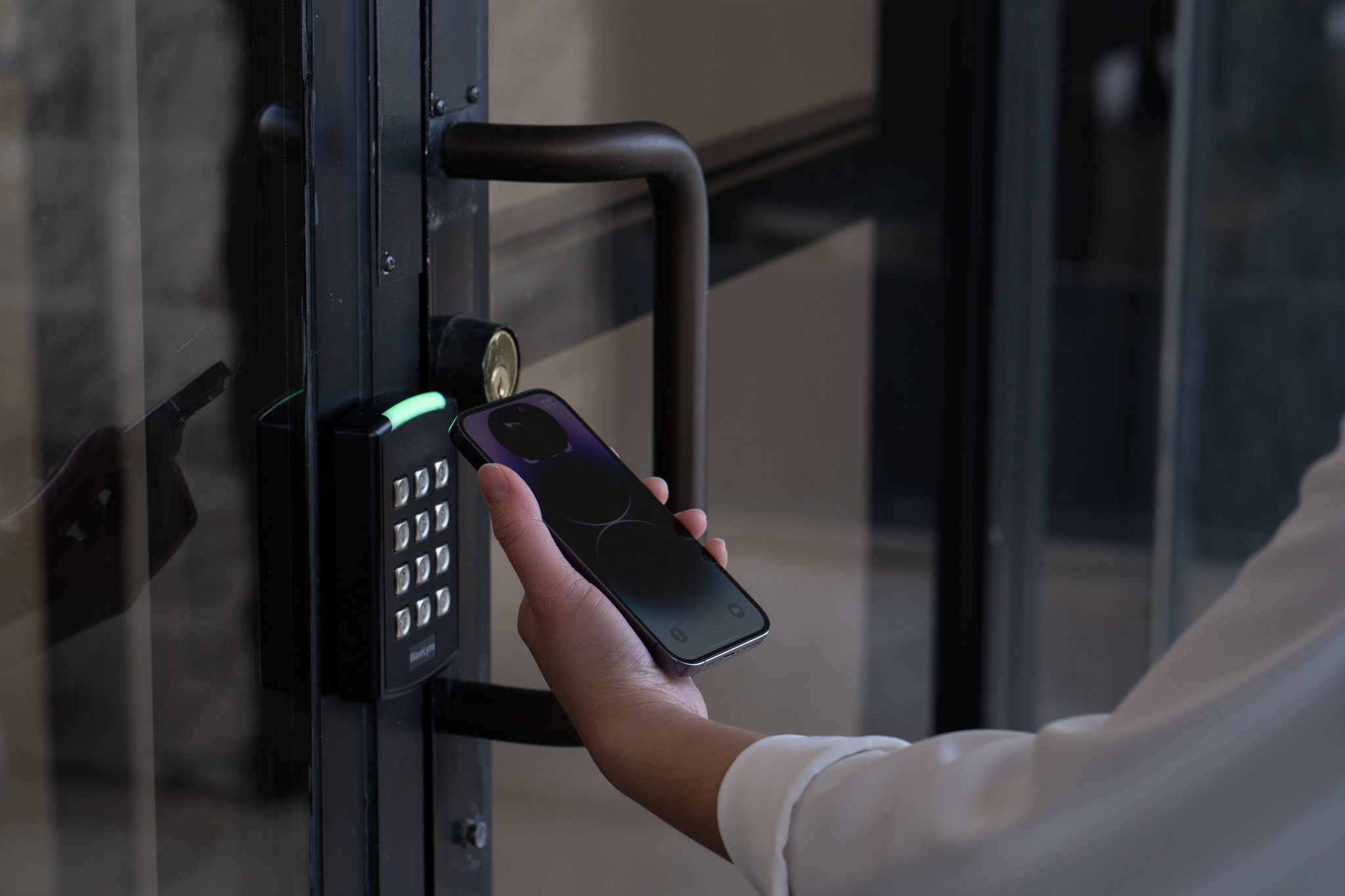
Aliro is the Connectivity Standards Alliance specification for how phones and wallets
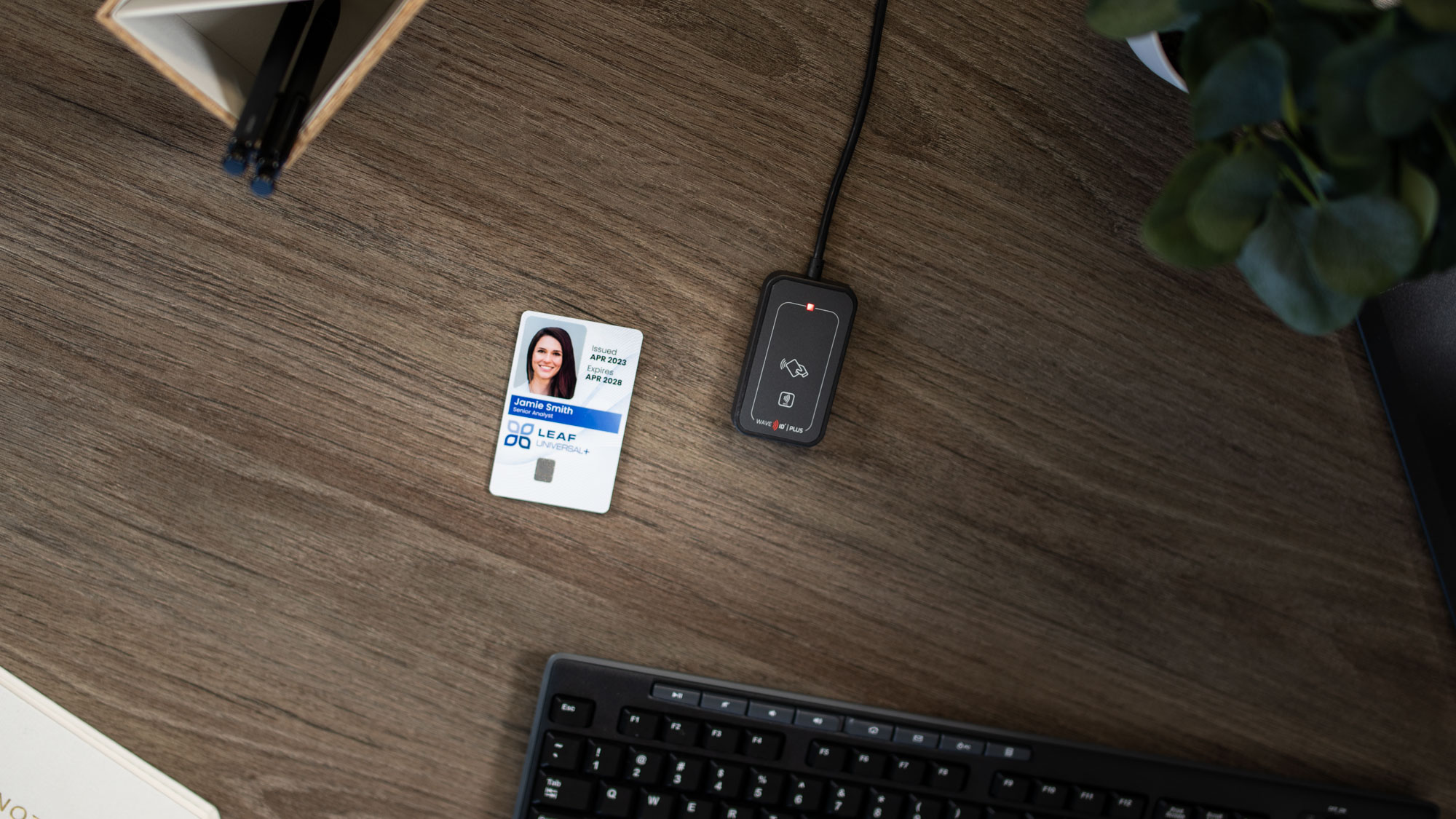
communicate with readers. LEAF helps physical credentials work across certified
devices. The two cover complementary parts of the access ecosystem and give
organizations more flexibility in the credentials and readers they deploy.
Standards alone don't remove every obstacle. Multi-vendor deployments still bring
complexity in key management, reader firmware, backend integration, and migration.
Organizations can choose from in-app credentials, mobile wallets, NFC, BLE, and
UWB. The practical question isn't which technology wins. It's which combination
scales across mixed environments without replacing installed infrastructure.
Standards are global, but deployments are local. Solutions must keep working offline
and handle revocation, certification, regional requirements, and commercial realities. At
this point interoperability stops being a technical goal and becomes a business
requirement. Organizations need to modernize step by step and protect existing
investments without creating new dependencies.
During the panel, the audience posed this question: If you could remove one structural or commercial obstacle tomorrow that would
most accelerate true multi-vendor interoperability, what would it be?
The responses pointed to proprietary systems, vendor lock-in, uneven customer
understanding of security, and the lack of a modern open option at every layer.
Open standards don't have to limit commercial opportunity. They can grow the market
by encouraging innovation and building customer confidence. But interoperability will
scale only when open foundations come with credible migration paths, informed customers, and business models that reward choice.
Meeting a standard is a starting point. Real interoperability covers the full credential
lifecycle: provisioning, upgrades, failures, version changes, revocation, end-of-life, and
moving between vendors.
A simple test: Can one component be replaced without disrupting the rest? If not, the
organization is dealing with integration, not interoperability.
Customers can't replace access infrastructure overnight. The panel identified these
priorites:
Cards, mobile wallets, and in-app credentials will coexist. The goal is one governable
identity that supports all of them, instead of separate physical and logical access
silos. Cryptography alone isn't enough. Trust also depends on secure provisioning,
lifecycle management, revocation, and the ability to adapt.
The credential revolution will not be delivered by one technology. It will advance through
practical decisions about security, governance, migration, interoperability, and user
experience.
The LEAF Community has an important role to play in bringing ecosystem participants
together around open, governed approaches that create meaningful customer choice.
This collaboration can help turn interoperability from an industry aspiration into
something organizations can deploy, manage, and evolve with confidence.
Progress depends on credentials that work across form factors, standards that enable
rather than restrict choice, and migration paths that extend trusted access beyond
people to devices, robots, and digital agents. Not all the difficult questions have been
answered, but open dialogue is bringing us closer to the practical solutions customers
need.